Replace an ISDN or E1/T1 service
Map current signaling and capacity to the digital or SIP role required by the target carrier service.
Products
Every OpenVox product line, from PBX systems to gateways and accessories.
View all 184 productsIPPBX and phones
Cards and accessories
Connect my sites
Modernize what I have
Keep established calling services connected as ISDN and PSTN networks are retired. Move affected trunks and their dependencies to SIP through a planned migration, validating signaling, numbering, and call flows before cutover.
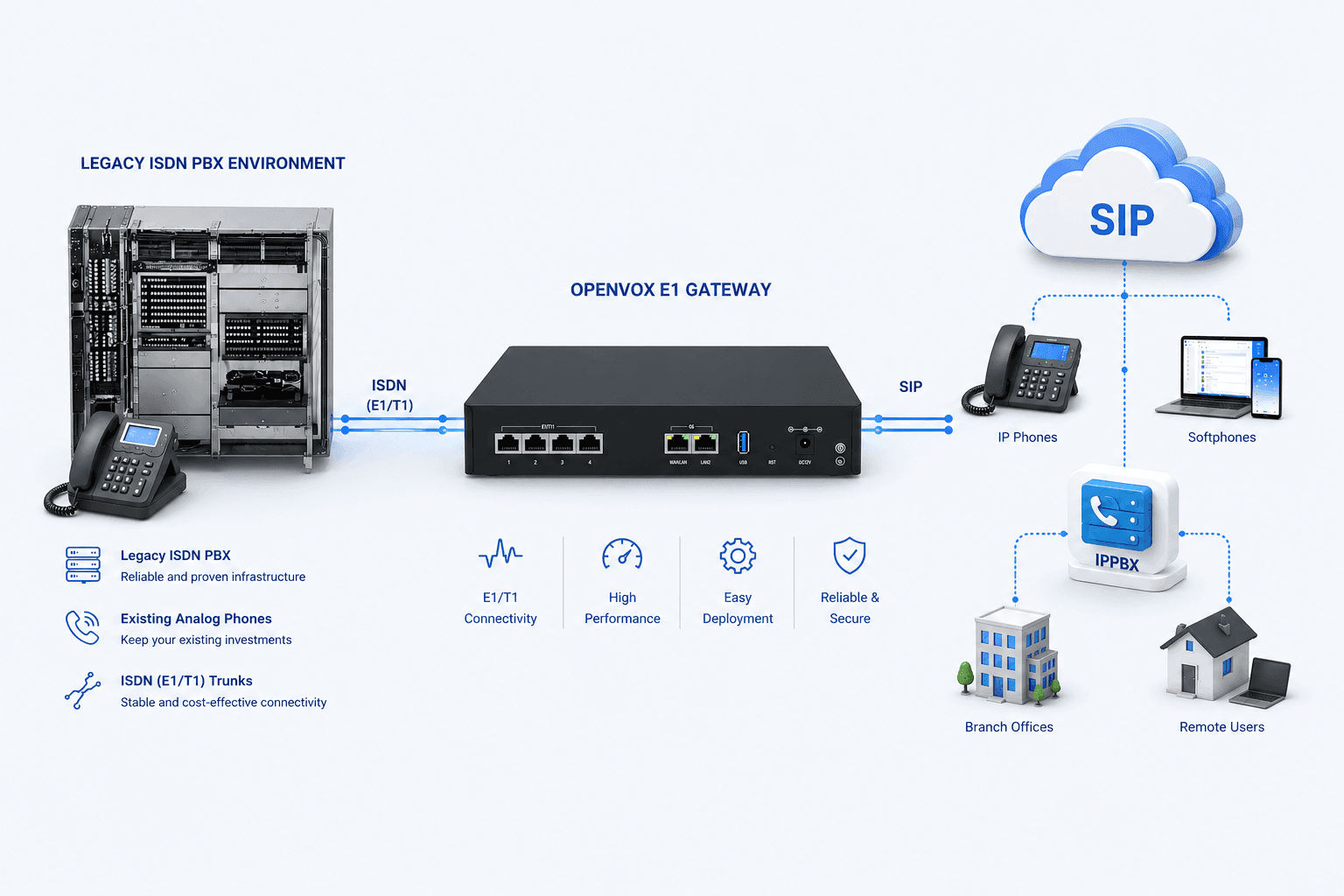
When a carrier retires an ISDN or PSTN service, the impact goes beyond the line itself to affect the PBXs, numbers, trunks, and analog devices that still depend on it.
The migration must identify every affected service, preserve the required calling behavior during the transition, and establish the correct digital, analog, or SIP replacement path.
Map current signaling and capacity to the digital or SIP role required by the target carrier service.
Use analog, digital, or SIP interoperability while the central system remains in service.
Move retained analog devices and POTS services into the dedicated analog migration flow instead of treating them as an E1 gateway task.
Plan each site around its carrier date, local equipment, and approved migration window.
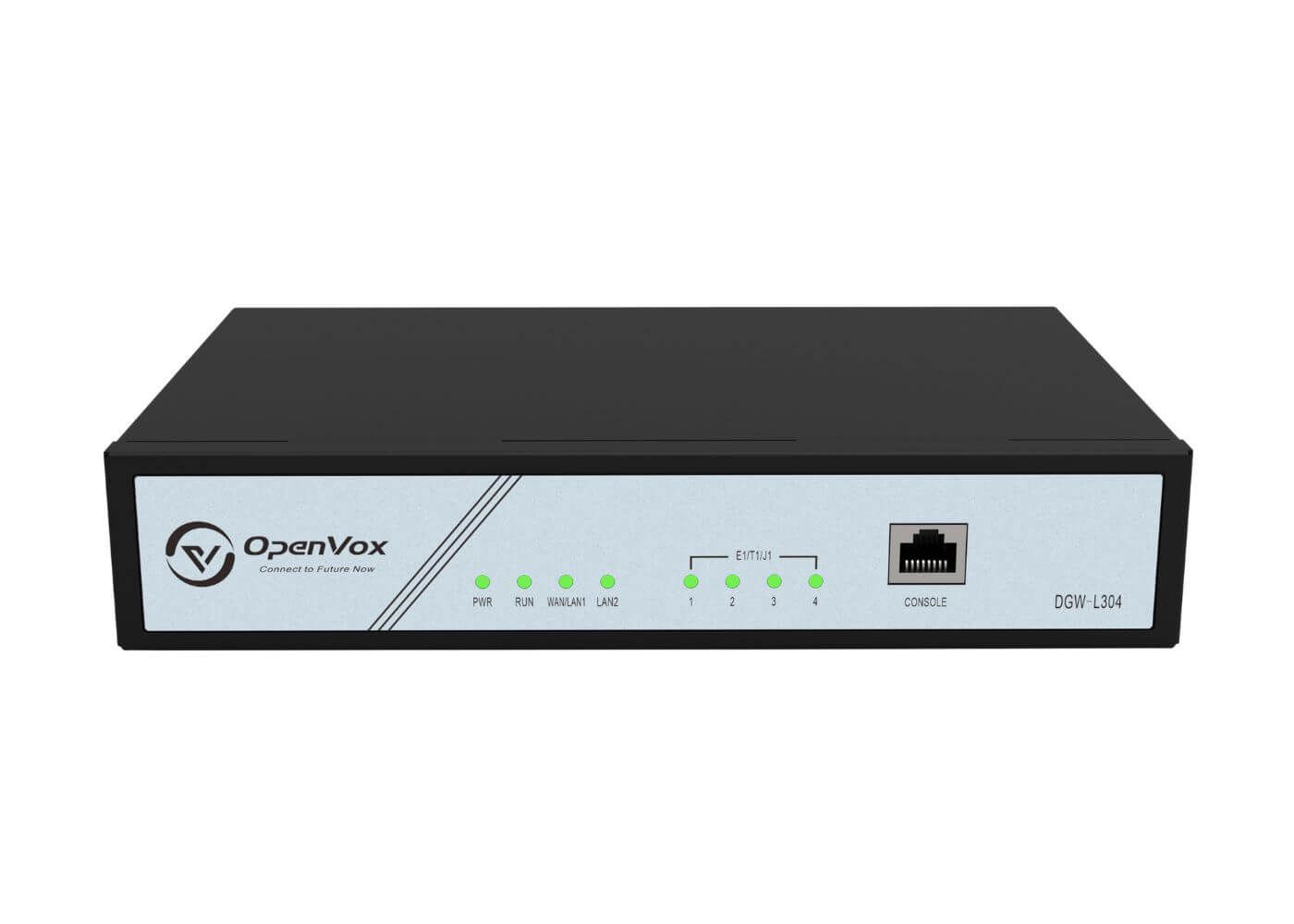
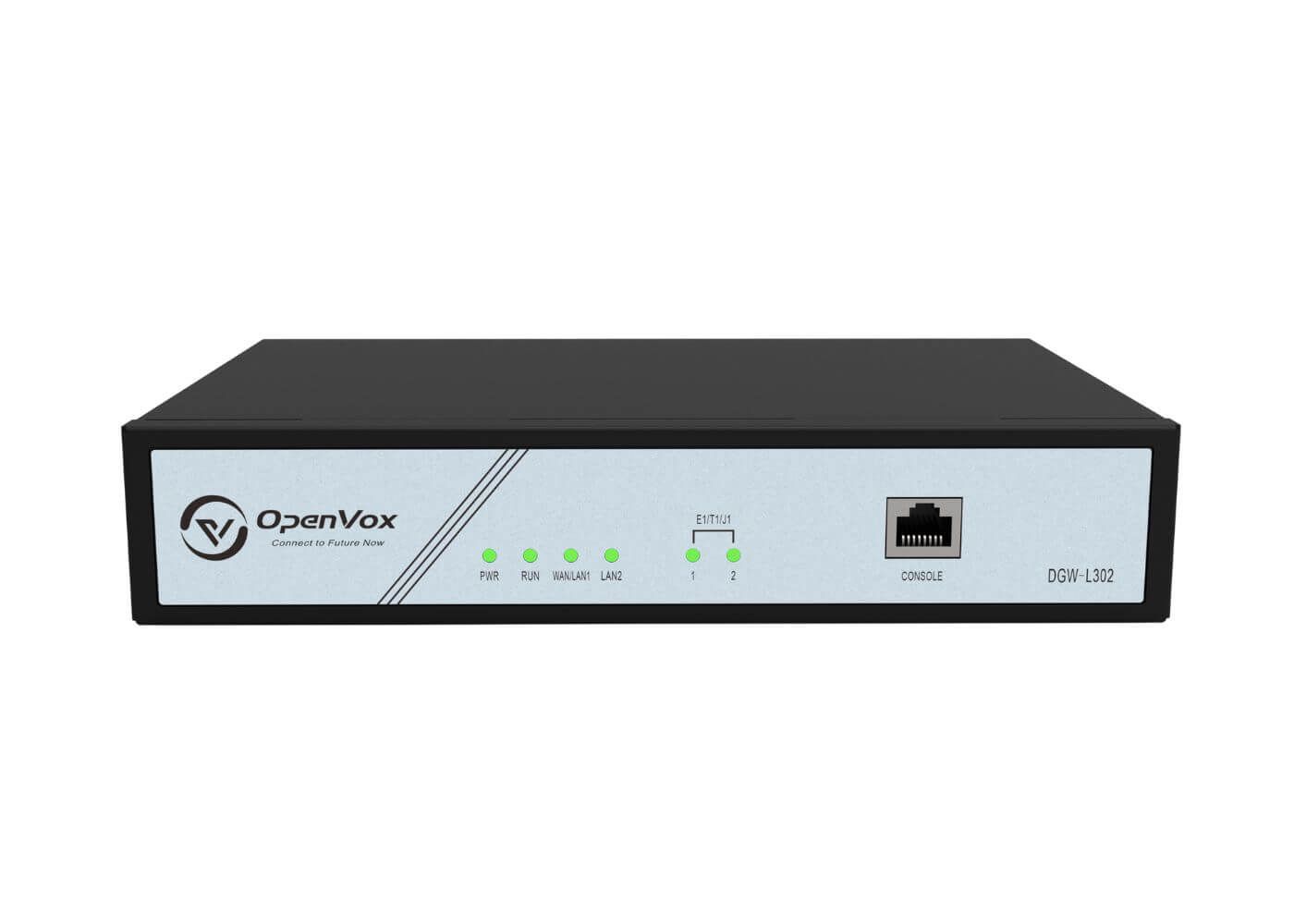
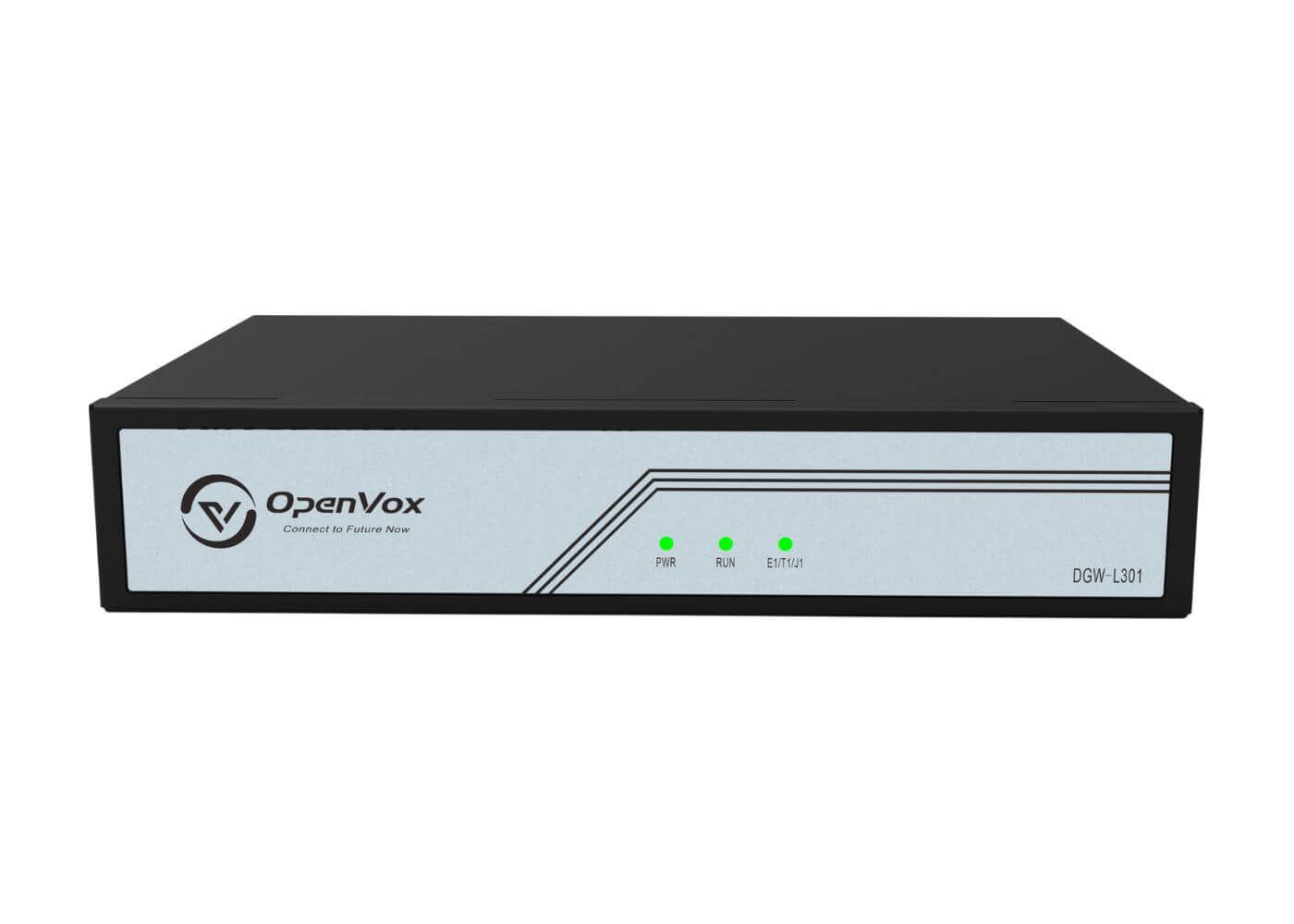
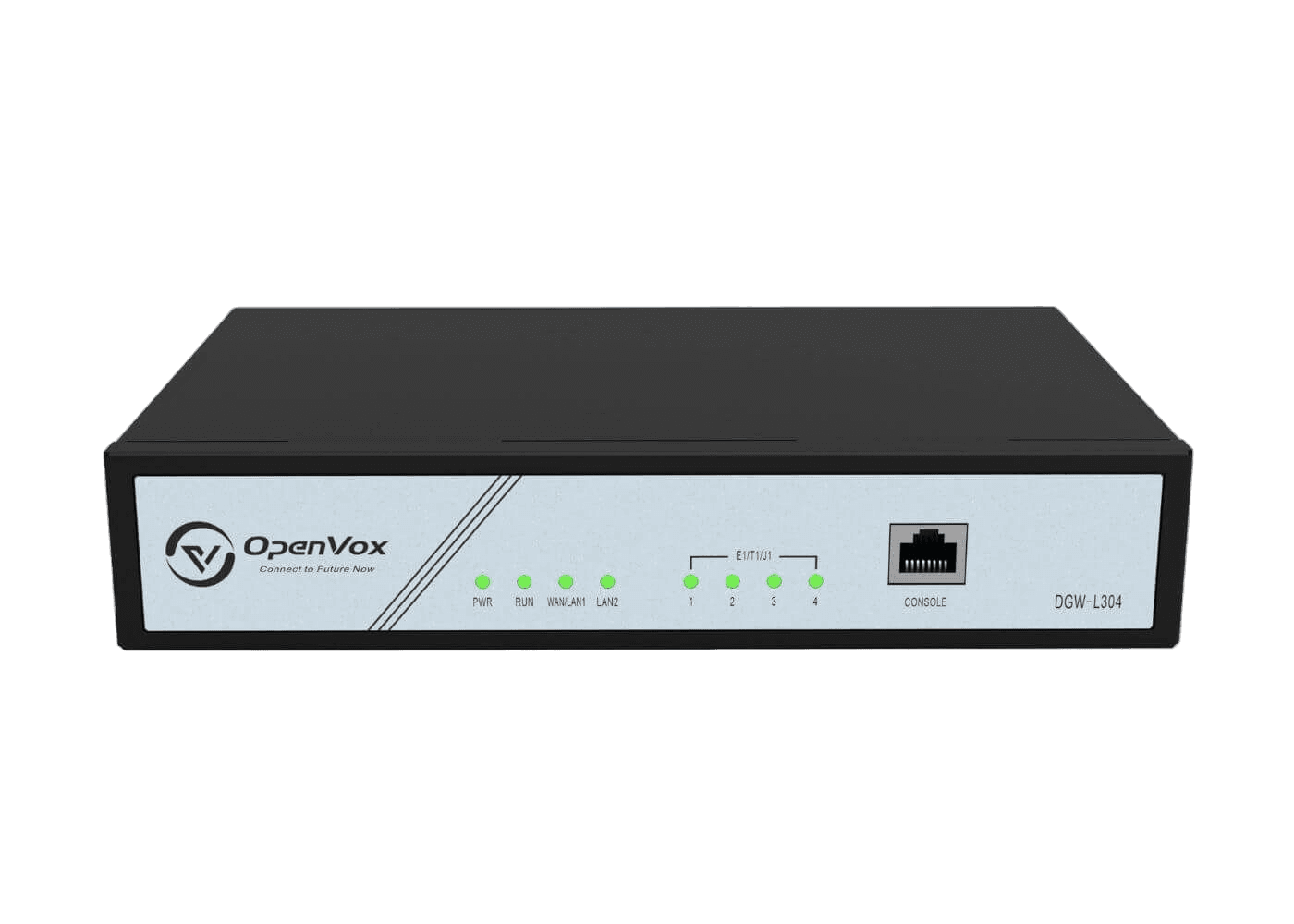
DGW-L304 provides the four-span digital boundary shown in the migration path; DGW-L301 and DGW-L302 remain lower-span choices after trunk inventory verification.
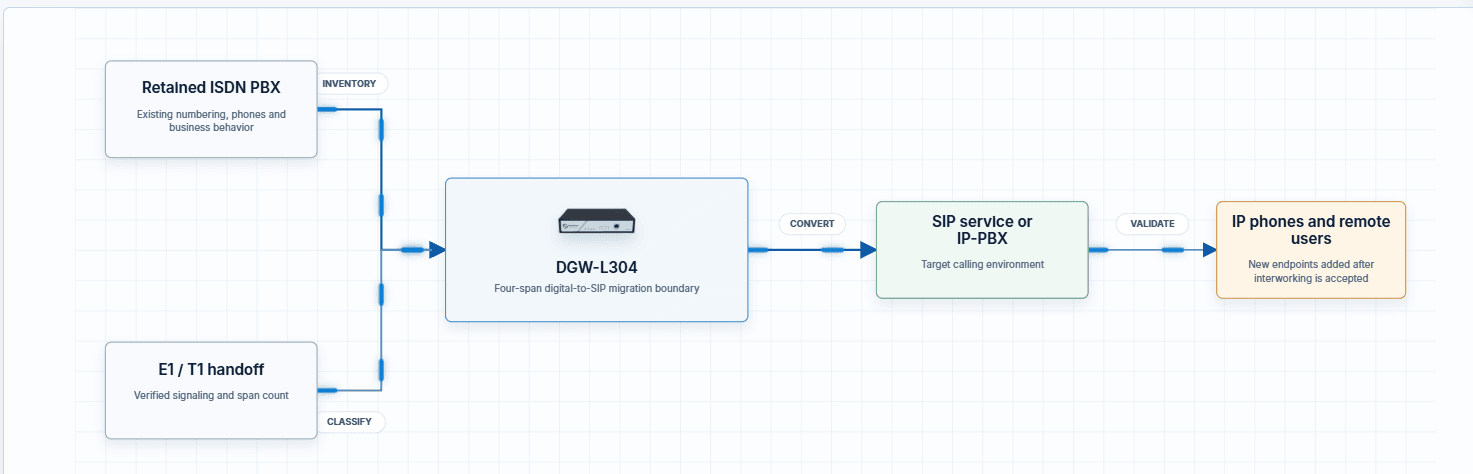
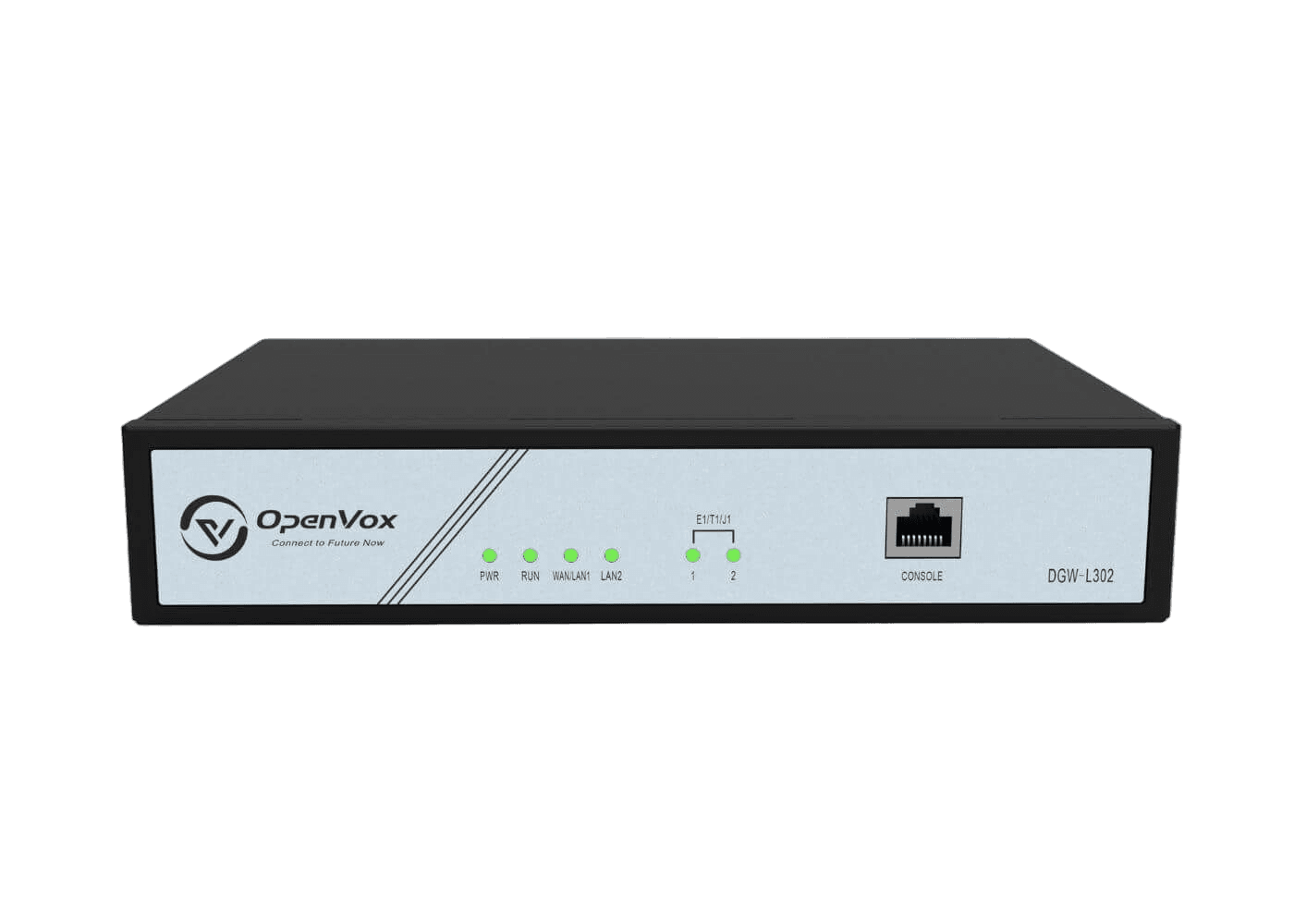
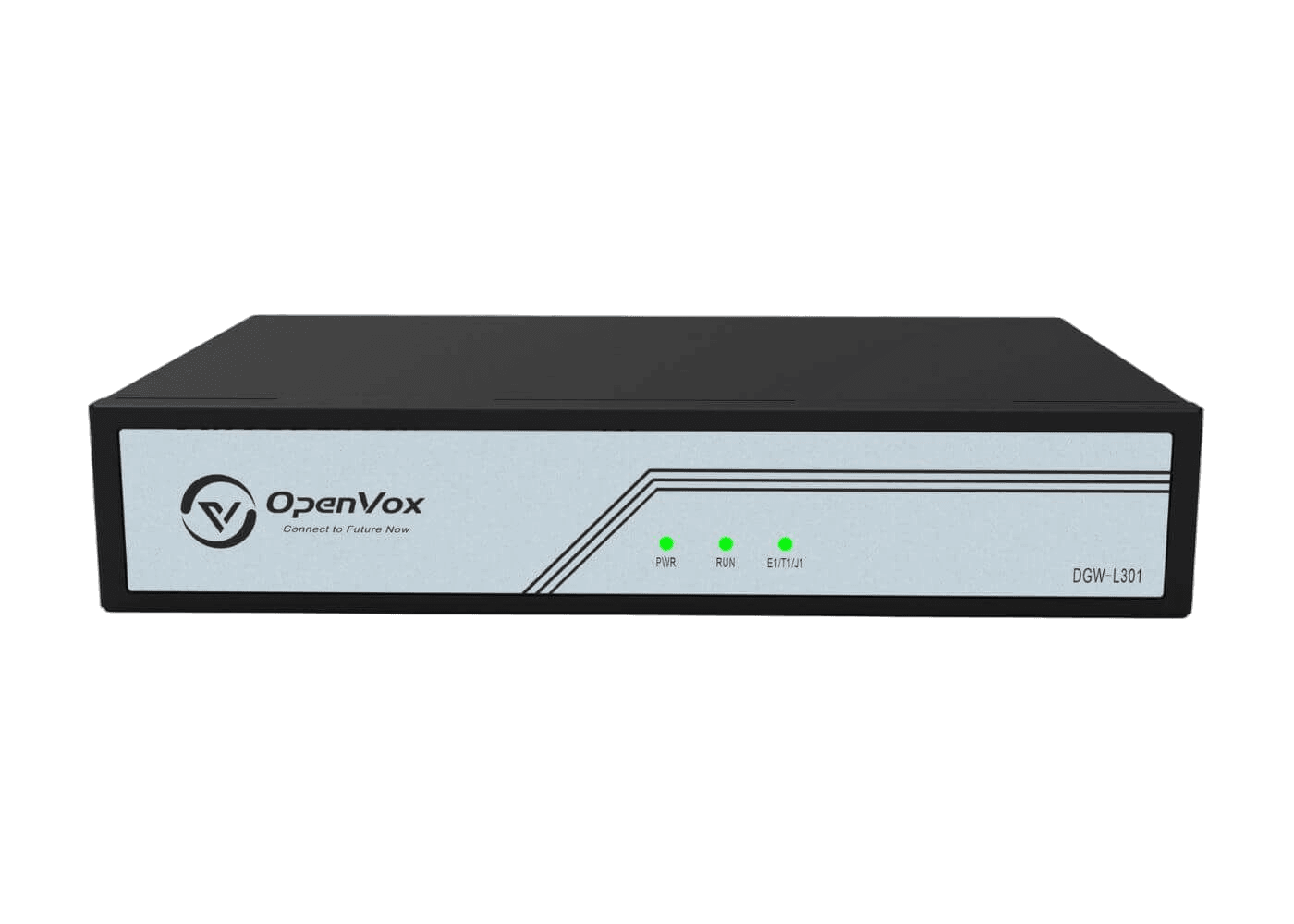
DGW-L304 is the four-span reference shown here; DGW-L301 and DGW-L302 cover one-span and two-span projects using the same interface-based migration method.
Country-specific retirement dates must be confirmed with the relevant carrier or regulator.
The project confirms the carrier's or regulator's current schedule before publishing urgency claims.
OpenVox digital products support E1/T1/J1 roles and selectable signaling on documented models.
FXS and FXO products support the different sides of analog migration.
UCP and gateways support standard SIP connections to documented IP voice environments.
Share the country, carrier, retained ISDN PBX, signaling, span count, numbers, and target SIP service. OpenVox can help select DGW capacity and the validation plan.
Supports 4 software-selectable T1/E1/PRI interfaces; supports 120 concurrent calls.
Supports 2 software-selectable T1/E1/PRI interfaces; supports 60 concurrent calls.
An economical version of an E1/T1/PRI gateway; supports 1 software-selectable E1/T1/PRI interface; supports up to 30 simultaneous calls.
Describe your requirements. Our team can help you select and plan your OpenVox solution.